
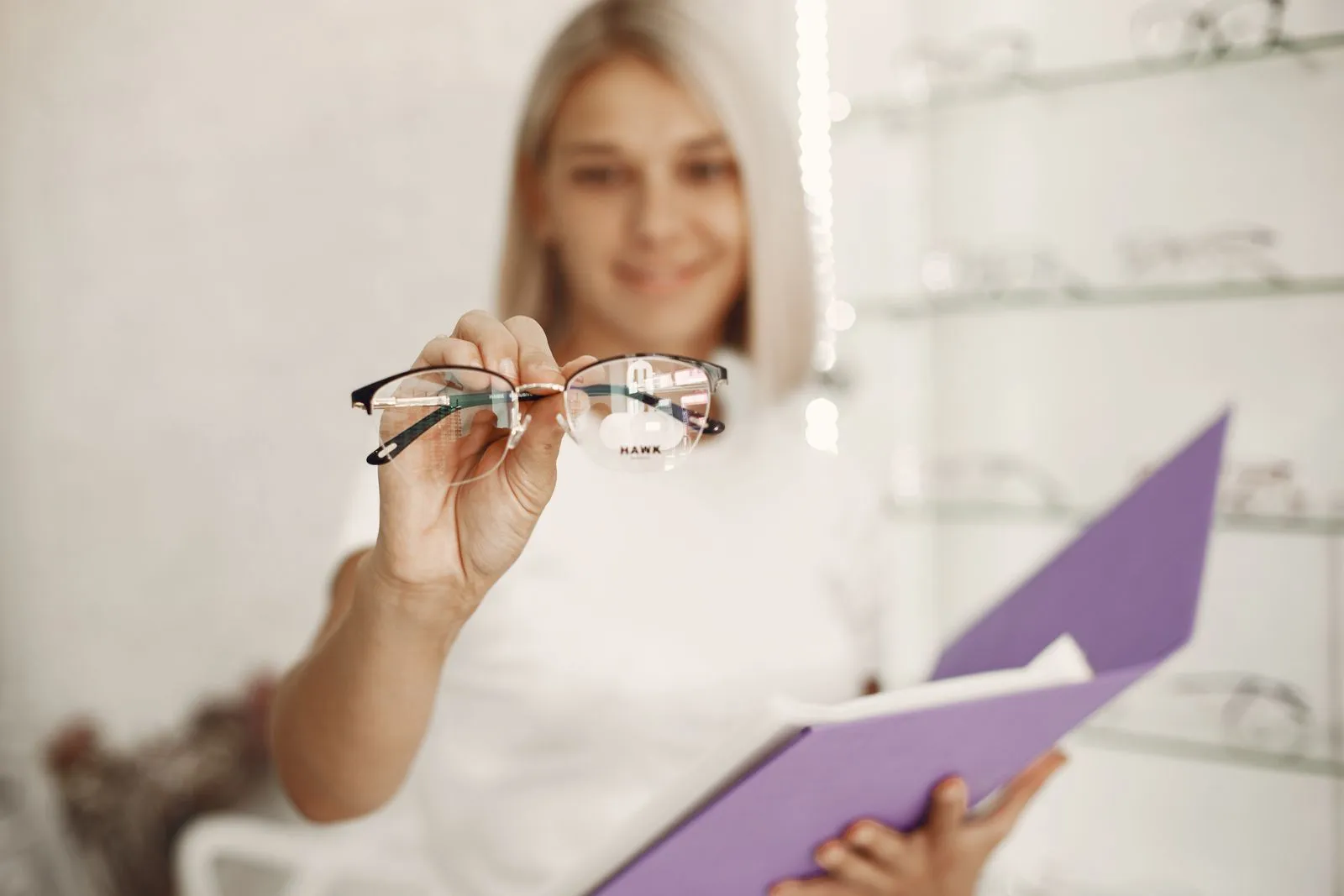
The right safety glasses depend on what could reach your eyes at work. Flying particles, chemical splashes, dust, and bright light call for different features, so a comfortable pair alone may not provide the protection you need. Start with your workplace hazard assessment and the safety requirements for your job. Then compare the eyewear’s markings, frame coverage, lens material, and fit. These steps help you choose glasses that protect your eyes and are practical to wear throughout a shift.
Start With the Hazard
Identify the specific eye risks in each task before shopping. Grinding or cutting can send particles toward the eyes, while liquid handling may create splash risks. Dusty work can expose gaps around the sides, and outdoor or high-glare tasks may require suitable filtering. Ask your supervisor or safety coordinator which standards and protection levels apply; do not assume one pair works for every task.
Check the product markings and manufacturer’s instructions to confirm the eyewear is designed for your hazards. In the United States, workplace eye protection should meet the applicable requirements set by your employer and relevant safety standards. Ordinary prescription glasses and fashion sunglasses are not substitutes for protective eyewear unless they are specifically rated for the task.
Compare Frame Styles
Safety glasses with side shields suit many tasks where impact protection is needed from the front and sides. Wraparound styles can provide broader coverage and may reduce side gaps, which can help with flying debris or dust. For work involving liquid splashes, goggles that seal around the eyes may be more appropriate than open-sided glasses. The correct choice depends on the hazard assessment, not just the frame’s appearance.
Consider how the frame works with other protective equipment. Safety glasses should sit securely with hard hats, hearing protection, respirators, or face shields without shifting or leaving new gaps. A face shield can add protection for some tasks, but it generally does not replace the required primary eye protection. Try the full combination you will wear on the job.
Choose Lens Features
Polycarbonate lenses are commonly used in safety eyewear because they are lightweight and impact resistant, but verify that the complete product is rated for your work. Clear lenses work for many indoor settings. Tint or specialized filtering may help with glare or particular light sources, but the lens must be appropriate for the exposure; a dark tint alone does not guarantee protection from hazardous radiation.
Look for features that address daily conditions without compromising the required protection. Anti-fog coatings can improve visibility when temperatures or exertion cause fogging, while scratch-resistant coatings can help lenses last longer. Keep lenses clean with products approved by the manufacturer, and replace them if they become cracked, deeply scratched, or otherwise damaged.
Check Fit and Prescription Needs
A good fit keeps the glasses stable without pinching or pressing hard on your nose, temples, or ears. Check that the lenses cover the eyes from the front and sides when you look up, down, and across. Bend and move as you would during work; the frame should not slide off or interfere with your vision. Adjustments should follow the manufacturer’s guidance.
If you need vision correction, ask about prescription safety eyewear or approved eyewear designed to fit over prescription glasses. Avoid wearing regular glasses beneath safety glasses if the combination creates gaps, discomfort, or poor coverage. An optician can help assess prescription options and fit, while your employer or safety coordinator confirms the required protection for the job.
Choose safety glasses by matching verified protection to the hazard, then confirm that the frame, lenses, and fit work with your tasks and other gear. Recheck the fit and condition regularly, and replace damaged eyewear promptly. If you need prescription protection or help comparing options, North Shore Safety Optics can help you explore suitable eyewear.